 English
  Български
 Русский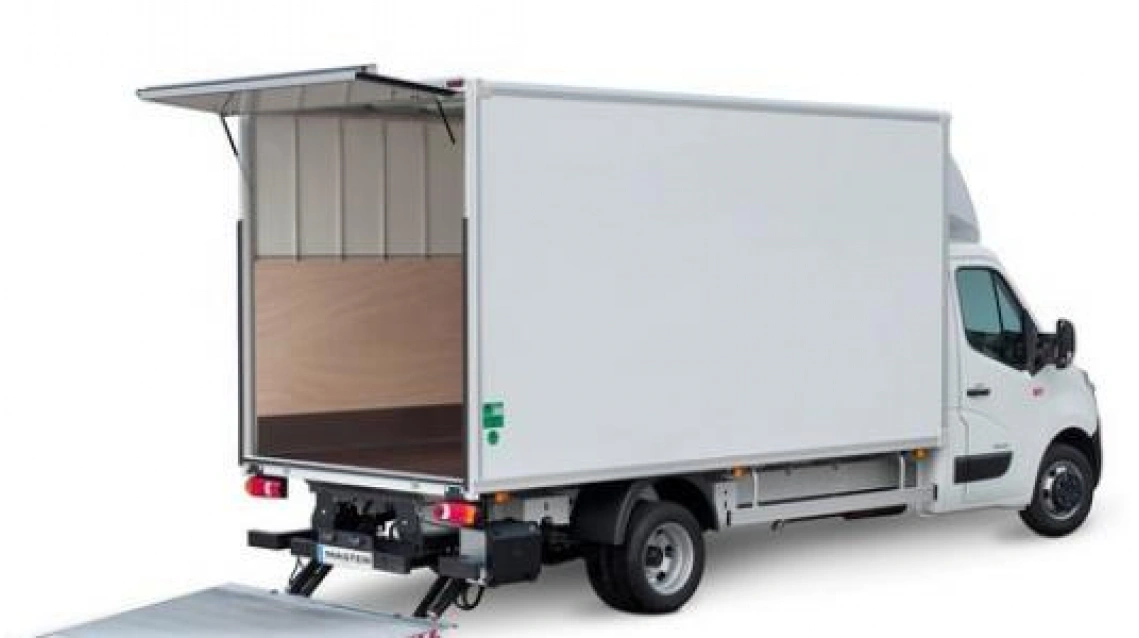
Very few vehicle types can match a truck for logistics work, thanks to a combination of powerful engines and generous load capacity. Moving large or heavy cargo from one place to another is rarely simple, but the right vehicle makes the job far more manageable.
In this guide we look at the situations where renting a truck genuinely makes sense, the main categories available on the market, and a few practical points worth considering before you commit to hiring one for a specific job.
When Should You Rent a Truck
The most common reason people rent a truck is to move heavy loads. Depending on the cargo involved, suitable loading equipment can speed up the work considerably.
Trucks fitted with a crane are widely used on construction sites, since they can lift materials directly onto the site without extra manual handling.
A number of other situations also call for a rented truck rather than a standard vehicle:
- Moving house or office: furniture and boxes generally exceed what a car or van can carry in one trip;
- Heavy or bulky objects: machinery, appliances and similar items often need a flatbed or reinforced load area;
- Construction material deliveries: bricks, timber and aggregate are usually moved in bulk to a single site;
- Transporting a vehicle: a car transport truck avoids putting extra mileage on a vehicle that cannot be driven;
- Waste removal: construction or garden waste is often cleared in one or two large loads rather than several small ones.
Cargo varies so much in size, weight and shape that the market offers an equally wide range of trucks, differing in size, capacity, length, and whether a crane is fitted.
What Types of Trucks Are Available for Rent
Beyond general purpose vehicles, there is a wide range of trucks built for specialised work. Refrigerated trucks, for example, are designed to transport groceries and other perishable goods at a controlled temperature.
Some trucks have an open back that makes unloading easier, while others are fitted with extended or special cabins to accommodate longer objects that would not otherwise fit on a standard load bed.
Trucks for rent generally fall into the following broad categories, based on how they are built and equipped:
- Closed back trucks, commonly used for transporting food and other goods that need protection from the weather;
- Trucks with trailers, suited to larger or longer loads that exceed the capacity of the cab unit alone;
- Car transport trucks, designed specifically to carry one or more vehicles safely;
- Loading trucks, built around ease of loading and unloading rather than raw capacity;
- Construction waste trucks, fitted for the removal of rubble, soil and similar site waste.
The last category ties closely to load capacity. Open body trucks often carry packaged goods, while some waste trucks have a removable, hydraulically lifted container for easier unloading.
What Affects the Cost of Renting a Truck
Rental rates are generally shaped by the size of the truck, its load capacity, and how long it is needed, with larger or specialised vehicles such as crane equipped or refrigerated trucks usually costing more than a basic loading truck.
Distance plays a part too, since a job that stays within a single city differs considerably from a delivery covering a much longer route, and some providers charge separately for fuel, tolls, or a driver where one is included.
As with any rental, it is worth asking exactly what the price covers before booking, since insurance, mileage limits, and equipment such as straps or ramps can vary noticeably between providers.
Demand for trucks tends to rise around common moving periods, such as the start or end of a month, so booking a few days in advance is a sensible precaution if the date cannot easily move.
Tips for Choosing the Right Truck for the Job
The best starting point is to look for a vehicle that genuinely matches the task at hand rather than simply the biggest one available. There are plenty of options, so it helps to think through exactly what the cargo requires before booking.
If you need extra mobility for construction materials, a crane equipped truck is usually the better choice, since it removes the need for separate lifting equipment once you reach the site.
For clearing construction waste or moving soil, a dedicated dump truck is the more practical option, while packaged goods, furniture and food generally travel best in a truck with a closed trailer.
We also recommend factoring in that these vehicles usually call for a different driving licence category to the one used for a standard car, and hiring a professional driver is often worth considering, since manoeuvring a large truck safely can require specific skill and experience.
It is also worth inspecting the vehicle for existing damage before you drive away, and confirming what happens if the truck breaks down partway through the job.
If You Do Not Need an Industrial Truck
Not every job calls for a vehicle of this size. A house move with only a few boxes, or a delivery that fits comfortably without a crane, is often handled just as well by a rented minivan, or, for smaller loads with a bit more ground clearance, an SUV for rent.
Both options are simpler to drive and easier to park in a typical Bulgarian city centre than a full sized truck.
Businesses with regular, ongoing transport needs may also find it worth looking at operating leases rather than a one off rental, particularly if a smaller vehicle is used alongside occasional truck hire.
Whatever you end up choosing, our general tips for renting a car and our guide to the required documents apply to most rentals, and vehicle rental in Sofia through SpeedyCars covers everything from a small city car up to a full size SUV.
Browse the full range of vehicles or check current rental prices before you decide, and our frequently asked questions page covers many of the practical points that come up when renting any vehicle.

Author Stanislav Vassilev
Automotive expert with over 15 years of experience in automotive tourism, short-term rentals and road safety, with a focus on the practical needs of travelers in Bulgaria and Europe.
More About the Author